


Open 7 days a week!







How to Prepare Your Home for Georgia’s Hurricane Season
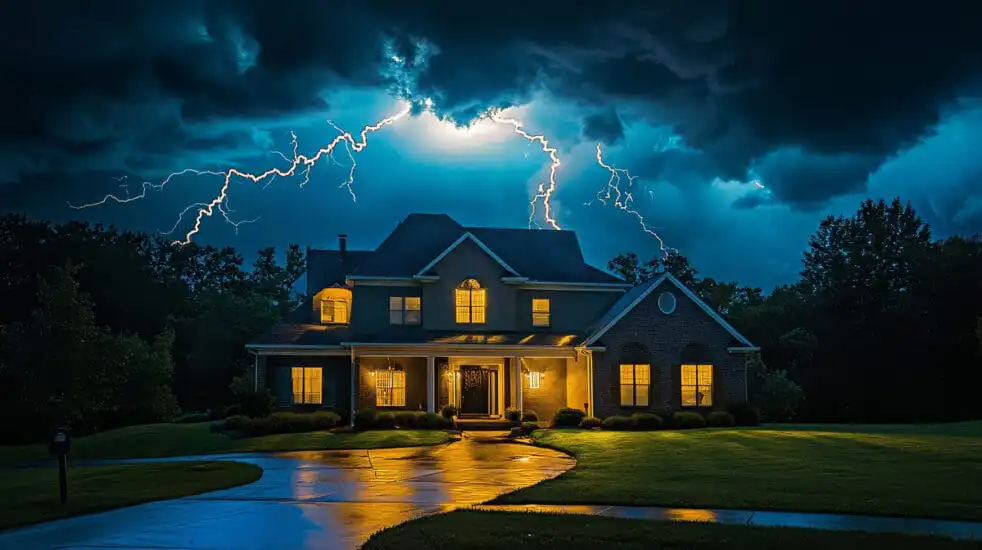
Storm Preparedness Key Takeaways
- Proactive HVAC, electrical, and moisture control steps reduce storm-related system failures.
- Surge protection and generator planning help manage extended outages and grid instability.
- Pre-storm inspections identify vulnerabilities before wind, water, and debris cause damage.
Table of Contents
- Step 1: Shielding Your HVAC System from Wind and Debris
- Step 2: Electrical Safety & Surge Protection Essentials
- Step 3: Moisture Control: Preventing Post-Storm Mold
- The Cool Air “Storm-Ready” Maintenance Checklist
- Frequently Asked Questions (FAQ)
Although Atlanta is located pretty far from the coastline, it isn’t immune to hurricane activity. Systems that weaken into tropical depressions still bring significant rainfall, wind, and instability as they move inland. Understanding how to prepare for a hurricane in this region means focusing less on direct landfall and more on the cascading effects. These include power fluctuations, falling debris, and rapid flooding, all of which can overwhelm infrastructure across Metro Atlanta.
Even without a direct strike, tropical storm remnants have been known to cause widespread disruption. Events like recent tropical systems moving through Georgia have shown how quickly conditions can deteriorate, especially when saturated soil and wind combine.
In many cases, damage isn’t limited to isolated outages. Historical trends of the Georgia power grid show that large sections of Atlanta can require extensive rebuilding, not just simple reconnections. If you’re wondering how you can prepare for a hurricane, these conditions highlight why you must think beyond wind speed alone.
Preparing effectively means accounting for the secondary impacts: extended outages, flash flooding, and the risks posed by Atlanta’s dense tree canopy. These factors create a chain reaction that affects HVAC systems, electrical components, and indoor air quality.
How do you prepare for a hurricane in this environment? Cool Air Mechanical advises performing a proactive system evaluation. Schedule a storm-ready inspection today or call Cool Air at (770) 341-1243 for A+ rated services to protect your home from storm damage in Georgia.
Step 1: Shielding Your HVAC System from Wind and Debris
Your outdoor condenser unit is the most exposed and vulnerable component of your home during storm conditions. High winds can turn loose debris into projectiles, damaging coils, fan blades, and internal components.
If you’re wondering how to prepare your house for a hurricane, start by clearing the area around the unit. Remove patio furniture, trim nearby vegetation, and secure anything that could shift during heavy wind. Avoid covering the unit with plastic, as it can trap moisture and accelerate corrosion.
Atlanta’s well-known tree canopy adds another layer of risk. While it enhances curb appeal, it also increases the likelihood of branch failure during storms.
Practicing canopy awareness—checking for leaning trees, dead limbs, or branches contacting service lines—is a critical part of hurricane preparation in Atlanta. Fulton/DeKalb/Cobb storm prep should also account for saturated soil, as it can quickly weaken root systems. This creates a “domino effect,” where a single falling limb can damage HVAC equipment or take down nearby power infrastructure.
Step 2: Electrical Safety & Surge Protection Essentials
Storm-related grid instability is an oft-underestimated threat to home systems. Power flickers, voltage spikes, and sudden outages can damage sensitive electronics instantly.
In HVAC systems, these fluctuations are the leading cause of component failure, such as the electrical control board. Investing in whole-home surge protection is one of the most effective electrical services for home system protection.
Surge protection acts as a buffer between your home and unpredictable grid behavior. Instead of allowing excess voltage to reach appliances, it safely redirects it, reducing the risk of costly repairs. Paired with reliable generator services, surge protection enables critical systems to continue operating during outages while minimizing damage from repeated power cycling.
Step 3: Moisture Control: Preventing Post-Storm Mold
After heavy rainfall, moisture is the next significant threat. Crawlspaces, basements, and poorly ventilated areas are especially vulnerable in Atlanta’s humid subtropical climate. When storms knock out power, air conditioning systems stop running, causing indoor humidity levels to spike rapidly. Without proper moisture control, mold can take root within 24 to 48 hours, particularly in older homes where airflow and insulation may already be compromised.
A well-maintained HVAC system acts as a dehumidification shield during and after storms. Components like the HVAC condensate pump play a key role in removing excess moisture from the system. When coils are clean and drainage lines are clear, the system can manage humidity effectively once power is restored.
To combat Atlanta’s humidity, regular maintenance is vital. Professional plumbing services and indoor air quality services such as whole home dehumidifier installation help prevent the musty conditions many homeowners experience after storms.
The Cool Air “Storm-Ready” Maintenance Checklist
If you want to know how to prepare for a hurricane, this checklist should come in handy:
- Test your standby generator to confirm it activates properly during outages
- Inspect seals around windows and doors to limit water intrusion
- Schedule a “Storm-Ready” tune-up to evaluate blower motor performance and electrical connections
Preparing your home doesn’t have to be complicated. A focused, pre-storm inspection can identify vulnerabilities and reduce the risk of system failure when conditions worsen.
Furthermore, a structured approach to preventative maintenance allows homeowners to address issues before they escalate. Working with a licensed mechanical contractor assures you that your systems are evaluated thoroughly and professionally.
Frequently Asked Questions
Should I turn off my HVAC during a hurricane?
If you expect severe weather conditions, shut down your system to prevent damage from power surges and debris. Once conditions stabilize, a professional inspection is recommended before restarting.
How does a surge protector protect my AC from storm-induced spikes?
A surge protector diverts excess voltage away from sensitive components, such as the electrical control board, reducing the risk of permanent damage during sudden power fluctuations.
Why does my home smell musty after a major storm?
Elevated humidity levels create an environment where mold and mildew develop quickly, especially when airflow is limited and moisture is trapped indoors.
Does Cool Air offer emergency repairs if my power goes out during a storm?
Yes, Cool Air Mechanical offers emergency response to address system issues once conditions are safe and power is restored.
Need Help Preparing Your Home for Hurricane Season?
Storm preparation in Atlanta requires a localized approach that accounts for tree density, humidity, and grid instability. From surge protection to HVAC readiness, every system plays a role in protecting your home from storm-related damage.
Whether you need a system upgrade or your current unit requires a thorough inspection, taking action early can reduce both risk and long-term costs. Go beyond learning how to prepare for a hurricane. Take the next step by scheduling service online or calling Cool Air at (770) 341-1243 so we can devise a proactive plan for when the next storm moves through Georgia. We’ll be happy to tell you more about our current specials and financing options that may apply to seasonal maintenance services.